Hub
Dueling
Sabers that survive contact, combat forms and staying safe.
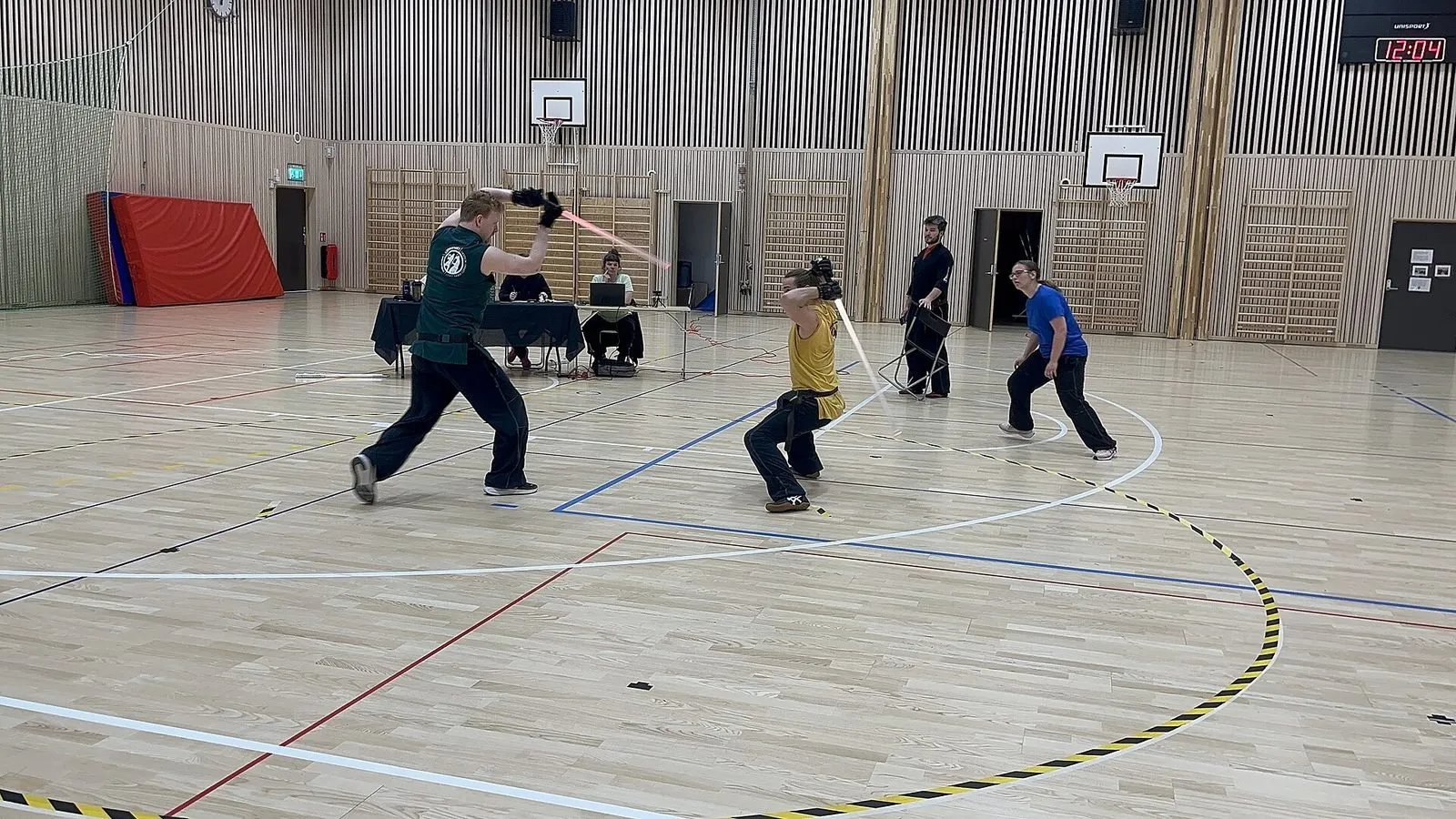
Dueling puts a saber under stress that a display piece never sees. This hub covers the practical side of lightsaber combat: which saber survives contact, what protective gear to wear, how to agree rules with a partner, the basic technique, and how to find a club. It also covers the fiction, because the film forms are where many people first get interested.
Start with the saber. Best lightsaber for dueling explains why vendors favour a baselit saber with a thick polycarbonate blade for hard contact. They describe a 2 mm wall as the standard compromise and 3 mm as the heavy grade for hard sparring, and they rate pixel blades for light contact and choreography. That is a vendor view, not an independent test, and the guide says so.
Next, read how to duel with a lightsaber. Sparring is a contact activity, so use at least a fencing or HEMA mask and padded gloves, agree target zones and a stop signal before anyone ignites a blade, and treat the throat, groin and face as off limits, as the clubs in the guide do. Gear rules differ between organisations: LudoSport makes gloves its mandatory protection, while the Lightspeed Saber League requires a fencing mask and lacrosse gloves. Protective gear lowers risk but does not remove it.
Technique comes after safety. How to parry with a lightsaber borrows from fencing, kendo and HEMA: meet the incoming blade with the strong part of yours, keep the movement small, then riposte. Practise slowly, in gear. When you are ready for a partner, lightsaber dueling clubs points to the published locators of LudoSport, the Lightspeed Saber League and the Saber Legion, and lists what to ask before a first session, such as the written gear list, the rules, age limits and the cost.
The rest of the hub is for solo practice and fun. Lightsaber forms lists the seven in-universe forms and their known users, and the form quiz matches you to one. Both are fiction, not a sword-fighting assessment. Spinning and flourishes teaches the basic wraparound and the figure of eight before the harder Obi-Ani spin, and reminds you to clear the room first.
Suggested reading order
- Best Lightsaber for Dueling: Blade, Models and Protective Gear: Blade grades, wall thickness and vendor-listed duel-ready models.
- How to Duel With a Lightsaber: Parry, Spar and Stay Safe: Gear, agreed rules and a first session, step by step.
- How to Parry With a Lightsaber: Real Sword Technique: Parry and riposte, taken from real sword technique.
- Lightsaber Dueling Clubs: How to Find a Group Near You: Where to find a group and what to ask before joining.
- Lightsaber Spinning and the Obi-Ani Spin: Moves and Best Hilts: Solo practice: wraparound, figure of eight and the Obi-Ani spin.
- Lightsaber Forms I to VII: What Each Form Is and Who Used It: The seven film forms and who used them.
- Lightsaber Form Quiz: What Lightsaber Form Are You?: A seven question quiz that matches you to a form.
Guides
Best Lightsaber for Dueling: Blade, Models and Protective Gear
For hard contact, pick a baselit saber with a thick-walled polycarbonate blade, 2 mm at least and 3 mm for heavy sparring. Pixel blades suit light contact and choreography. Below: vendor-listed duel-ready models with prices as of November 2026, what to check, and the gear to buy.
How toHow to Duel With a Lightsaber: Parry, Spar and Stay Safe
To duel with a lightsaber safely, use a saber with a thick polycarbonate blade, wear a fencing mask and padded gloves, agree rules and target zones before igniting, learn footwork and small parries first, and train with a club. Real leagues differ on gear, so check their rules.
How toHow to Parry With a Lightsaber: Real Sword Technique
To parry with a lightsaber, meet the incoming blade with the strong part of your own, using a small, controlled movement, then follow with a riposte. The method comes from fencing, kendo and HEMA, and you can practice it with real polycarbonate blades, slowly and in protective gear.
How toLightsaber Dueling Clubs: How to Find a Group Near You
To find a lightsaber dueling club near you, start with the organisers that publish locators: the LudoSport academy map, the Lightspeed Saber League squadron list and Saber Legion chapters. Then check Meetup, Facebook and Discord. Ask about gear, rules, age limits and cost before your first session.
ExplainerLightsaber Form Quiz: What Lightsaber Form Are You?
Answer seven questions, count your letters, and match the most frequent letter to one of the seven Star Wars lightsaber forms. The scoring table and results list each form's traits as described in Star Wars reference works. It is a fun quiz, not a sword-fighting assessment.
ReferenceLightsaber Forms I to VII: What Each Form Is and Who Used It
Star Wars names seven lightsaber forms. Form I Shii-Cho is the basic one, II Makashi is for saber duels, III Soresu is defense, IV Ataru is acrobatic attack, V Shien and Djem So counter, VI Niman balances, VII Juyo and Vaapad is the fiercest. Each entry lists its known users.
How toLightsaber Spinning and the Obi-Ani Spin: Moves and Best Hilts
The Obi-Ani spin is a flourish that combines forward and backward rotations with loops, and vendor guides call it difficult. Learn the basic wraparound and figure of eight first. For spinning, pick a light, balanced hilt with a comfortable grip, and clear the room.
Frequently asked questions
Is lightsaber dueling safe?
It is a contact activity, so there is always some risk. Clubs reduce it with protective gear, agreed rules, equipment inspection and coaching. Each organisation writes its own gear rules, so follow those of the group you join.
What gear do I need to start sparring?
At minimum a fencing or HEMA mask and padded gloves, plus elbow guards if you will spar. The Lightspeed Saber League requires a fencing mask and lacrosse gloves, and LudoSport lists gloves as its mandatory protection.
What is the best blade for dueling?
Vendors recommend a baselit saber with a thick polycarbonate blade for hard contact: 2 mm as the standard wall and 3 mm for heavy sparring. Pixel blades suit light contact and choreography. This is the vendors' view, not an independent test.
How do you parry with a lightsaber?
Meet the incoming blade with the strong part of your own, using a small, controlled movement, then follow with a riposte. The method comes from fencing, kendo and HEMA. Learn it slowly and in protective gear.
Do I need my own saber to join a club?
Often clubs supply or specify their blades. LudoSport, for example, requires approved blades. Ask the club before you buy.