How to Duel With a Lightsaber: Parry, Spar and Stay Safe
To duel with a lightsaber safely, use a saber with a thick polycarbonate blade, wear a fencing mask and padded gloves, agree rules and target zones before igniting, learn footwork and small parries first, and train with a club. Real leagues differ on gear, so check their rules.
On this page6 sections
How to duel with a lightsaber safely: start with the right saber and the right gear, agree the rules with your partner, practice footwork and small parries slowly, and join a club that teaches control. Real sparring is nothing like the film duels, and the safety rules come from the clubs and leagues that run it [1][2][3].
How to duel with a lightsaber: five steps
The steps below follow the order a new duelist would meet them: saber, gear, rules, technique, club.
Step 1: Check the saber
Use a saber meant for contact. Hollow baselit blades with a thicker wall are what vendors recommend for hard hits, and pixel blades suit light contact [4]. Our best lightsaber for dueling guide covers blade grades and vendor-listed models.
Before every session, inspect the blade, retention screws, emitter area and hilt body. A loose blade, backing-out screws, cracks or a damaged tip mean the saber should not be used in contact work. Check battery condition too [1]. For handling and charging, see lightsaber batteries.
Step 2: Put on protective gear
The Saber Factory suggests this progression [1]:
- light drills or choreography: gloves and eye protection;
- faster sparring: a fencing mask or equivalent head protection;
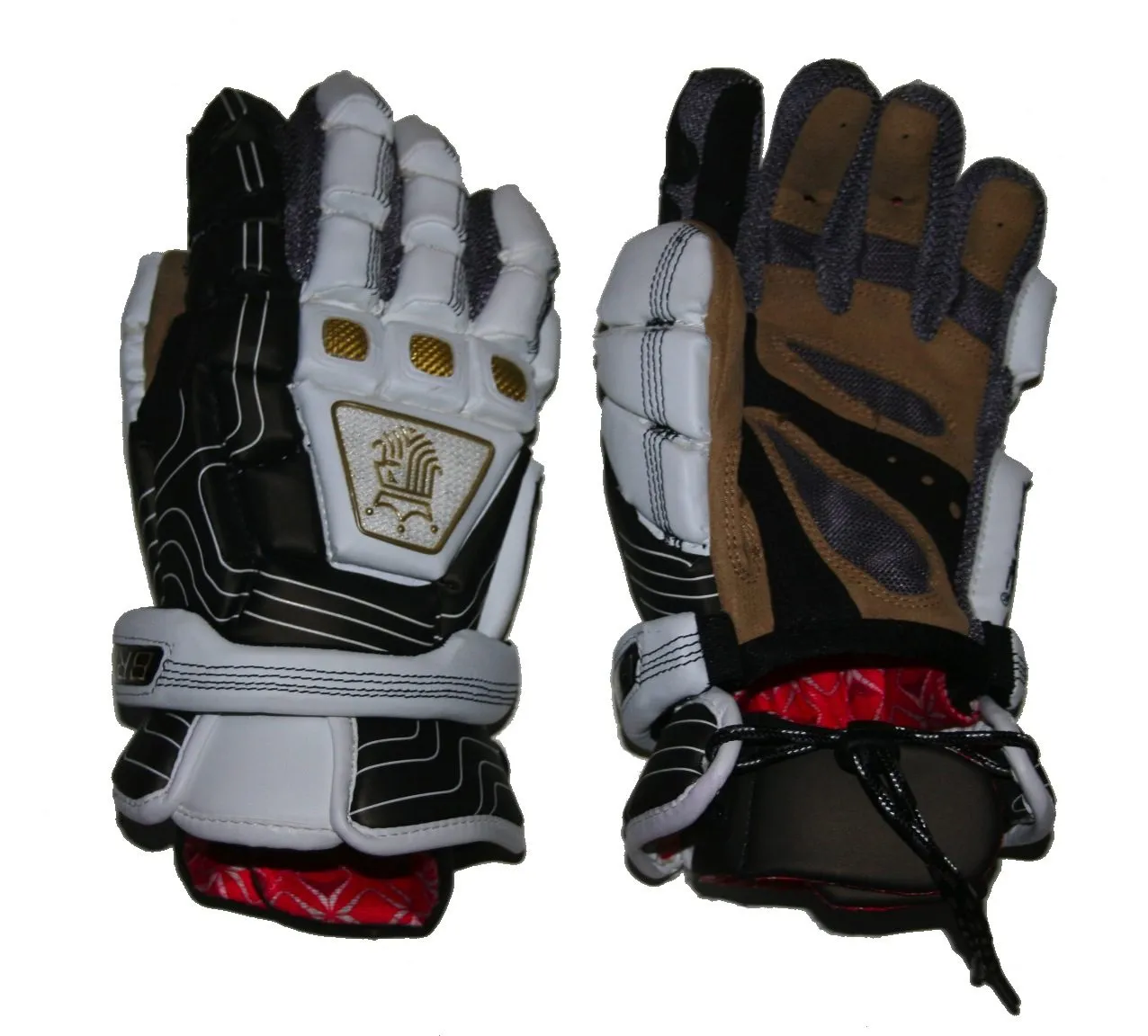
- contact work: padded gloves, forearm protection, and light elbow or knee cover.
Theory Sabers lists a fencing or HEMA mask, padded lacrosse or kendo gloves, elbow guards, and optional chest or shoulder padding [5]. The Saber Legion group in Minnesota used street hockey pads, lacrosse gloves and midsection padding in a 2018 TV report [6].
Step 3: Agree the rules first
Before anyone ignites a blade, agree on target zones, intensity, stop signals and what contact is allowed, for example whether head strikes or thrusts are permitted [1]. Choreography is cooperative and planned. Sparring is reactive. Do not mix them up, and rehearse choreography slowly [1].
Pause when someone repeatedly loses control, gear loosens, frustration rises, or players tire [1]. Leave a clear space in all directions, including overhead. A double-bladed saber needs extra room and slower movement, because of self-strikes [1]. For that weapon, see double-bladed lightsabers.
Step 4: Learn footwork and how to parry
Beginner advice from Theory Sabers: start with footwork drills and simple defensive moves before harder strikes and counters. Early parrying uses small, efficient movements to deflect attacks while saving energy, and a riposte is a counterattack immediately after a block. Patience tends to beat forcing an attack, and practicing with the non-dominant hand is recommended [5].
The Saber Factory’s line on control is blunt: power magnifies mistakes and control reduces them [1]. Build intensity gradually [5].
Fan interest often starts with the film forms. Those are fiction, but they are a fun reference for ideas such as defense and counterattack, as described in the lightsaber forms guide.
Step 5: Find a club
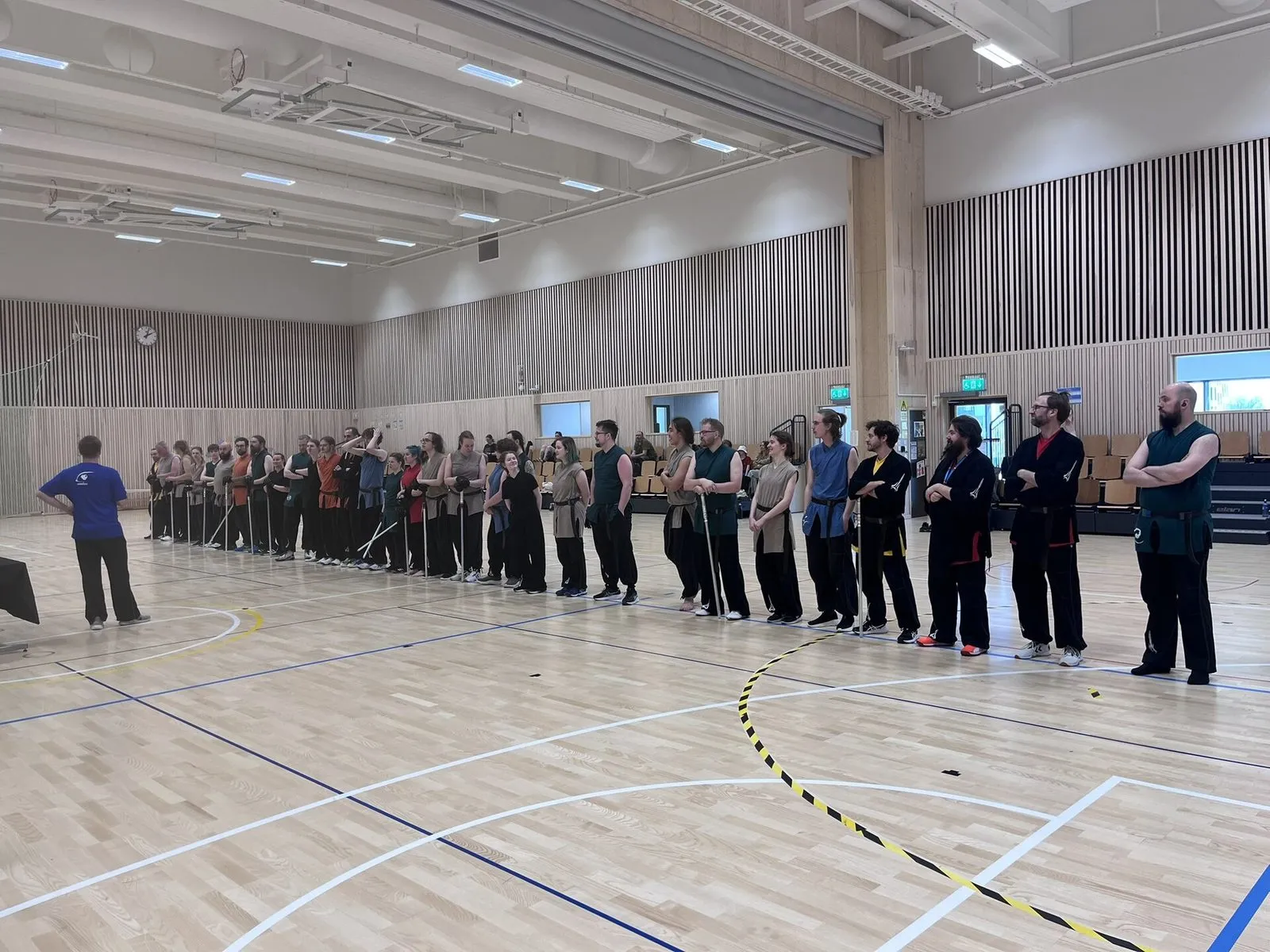
Lightsaber sparring is now organized as a saber sport, and the two best-known organizations in the sources have different safety philosophies.
- LudoSport (founded in Milan in 2006) states that technique is the first form of safety, and relies on supervised training. Its only mandatory protection is gloves, plus groin protection for men, though masks or glasses are recommended [3][7].
- Lightspeed Saber League requires a fencing mask and lacrosse gloves for sparring [2].
- Saber Legion: the 2018 report describes one Minnesota group that met weekly and kept the throat and groin off limits [6]. Other groups may differ.
Ask any club for its written gear list and rules before your first session. If a club cannot provide them, that is information too.
What a first session can look like
This is a plan assembled from the sources, not a coaching program.
- Check the saber and gear together, as above [1].
- Agree the rules, stop signal and target zones out loud [1].
- Start with footwork drills before harder strikes and counters [5].
- Drill slow, cooperative parries and counters, the way choreography is rehearsed [1][5].
- Move to light, controlled sparring only when both people are comfortable, and raise the intensity gradually [5].
- Stop for a pause as soon as gear loosens or anyone tires [1].
LudoSport’s own description is that control lets an athlete stop a blade precisely, and it puts supervised training ahead of heavy padding [3].
Common rules by organization
| LudoSport | Lightspeed Saber League | Saber Legion (Minnesota group, 2018) | |
|---|---|---|---|
| Mandatory gear | Gloves; groin protection for men [3] | Fencing mask, lacrosse gloves of 4 oz or more [2] | Pads and lacrosse gloves in the report [6] |
| Blade | 25 mm diameter, 2 mm wall [7] | 3/4 inch OD only [2] | Not stated in the report |
| Off limits | Face is not a valid target [7] | Groin, stabbing from extended guard, upward swings below the waist [2] | Throat and groin [6] |
| Scoring | Self-declared hits [7] | Not stated in the page read | First to 10 points in tournament play [6] |
Under-16 fencers at Lightspeed also need elbow, chest and shoulder pads [2].
Common mistakes
- Dueling with a display saber. A thin or pixel blade may not survive repeated contact [4].
- Skipping the pre-session check. A loose blade or backing-out screws mean stop [1].
- Mixing choreography and sparring. Different rules apply [1].
- Striking before the partner is ready. Lightspeed says to hit only a partner who is mentally and physically ready [2].
- Chasing power. Control first [1].
FAQ
Is lightsaber dueling safe?
It is a contact activity, so there is risk. Clubs reduce it with gear, rules, inspection and coaching [1][2][3]. The rules and gear are written by each organization, so follow theirs.
What gear do I need to start?
At minimum a fencing or HEMA mask and padded gloves, and elbow guards if you will spar [1][5]. Lightspeed requires the mask and gloves [2].
How do you parry with a lightsaber?
Sources describe small, efficient deflections with the blade, followed by a riposte, and advise learning them slowly with a coach [5].
Can children duel with lightsabers?
Lightspeed lists extra pads for under-16 fencers [2], and The Saber Factory says to supervise children actively, not just from nearby [1].
Do I need a lightsaber for a club?
Often clubs supply or specify their blades. LudoSport, for example, requires approved blades [7]. Ask before buying.
Sources
- The Saber Factory, 10 Lightsaber Dueling Safety Tips That Actually Matter, https://www.thesaberfactory.com/en-ca/blogs/lightsaber-knowledge/lightsaber-dueling-safety-tips (accessed 2026-11-06)
- Lightspeed Saber League, Safety rules, https://cang-snow.squarespace.com/safetyrules (accessed 2026-11-06)
- LudoSport, Saber and protective gear page, https://ludosport.net/more-saber.html (accessed 2026-11-06)
- The Saber Factory, Best Lightsaber for Dueling: What to Buy, https://www.thesaberfactory.com/blogs/lightsaber-knowledge/best-lightsaber-for-dueling (accessed 2026-11-06)
- Theory Sabers, Lightsaber Dueling Breakdown, https://www.theorysabers.com/article/lightsaber-dueling-breakdown (accessed 2026-11-06)
- CBS Minnesota, Finding Minnesota: Star Wars Saber Legion, https://www.cbsnews.com/minnesota/news/finding-minnesota-star-wars-saber-legion/ (accessed 2026-11-06)
- Wikipedia, Ludosport, https://en.wikipedia.org/wiki/Ludosport (accessed 2026-11-06)
Editorial team
Writes for Saber Forge Forum. Every guide is checked against the maker's specs and dated, so you know how fresh it is.