Hub
Tech
Boards, blades, batteries and sound, explained without the jargon.
What separates a forty dollar toy from a dueling saber is mostly inside the hilt: the sound board, the blade, the battery and how they work together.
The Tech hub explains each part in plain words, so a spec sheet starts to make sense and you can compare two listings on equal terms.
Guides
Lightsaber Batteries: 18650 Cells, Charging, Runtime and Safety
Most lightsabers run on a rechargeable lithium-ion cell, usually the 18650 format (18 mm by 65 mm). Pixel blades drain it faster than baselit ones, with listings quoting 30 to 90 minutes versus 1 to 3 hours. Use the right charger, never charge unattended, and retire any cell that swells, leaks or overheats.
ExplainerLightsaber Soundboards Explained: Proffie, Xenopixel, CFX, GHv4
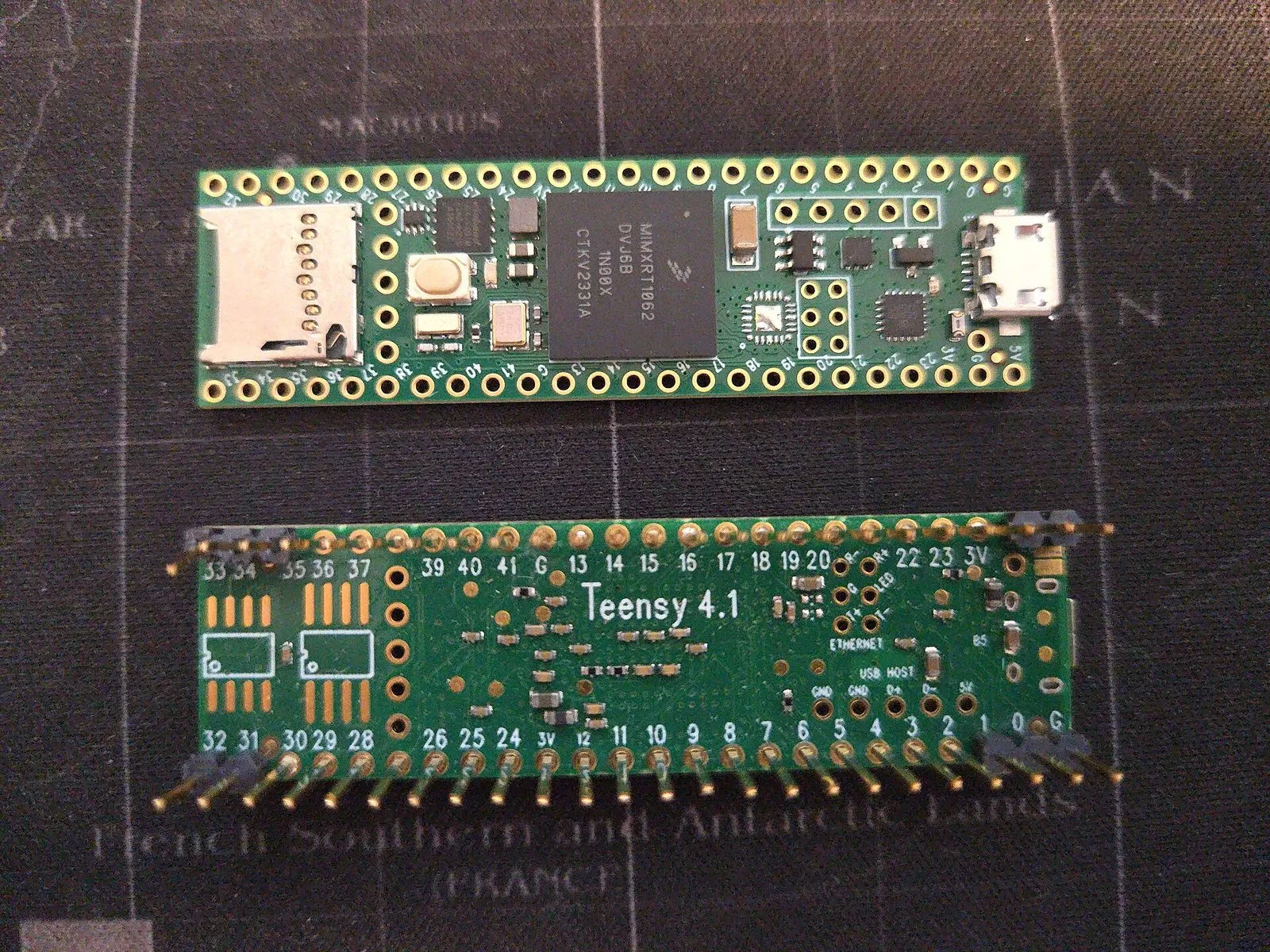
A lightsaber soundboard is the control board in the hilt: it reads motion, plays sound from an SD card and drives the blade lights. The main families are Xenopixel (cheap, ready-made), Golden Harvest v4 (mid-range), CFX (Plecter, closed) and Proffieboard (open source, most flexible). Board prices run from about $45 to $85.
ComparisonXenopixel vs Neopixel: What the Difference Is and Which to Buy
Xenopixel is not a rival to neopixel. Neopixel is the blade type, a strip of individually addressable LEDs. Xenopixel is a ready-made board that drives that strip. The real choice is Xenopixel versus Proffieboard, Golden Harvest v4 or CFX. Xenopixel is cheaper and simpler, Proffie is more customisable.